Ratul Puri on Building Integrated Energy Systems at Hindustan Power
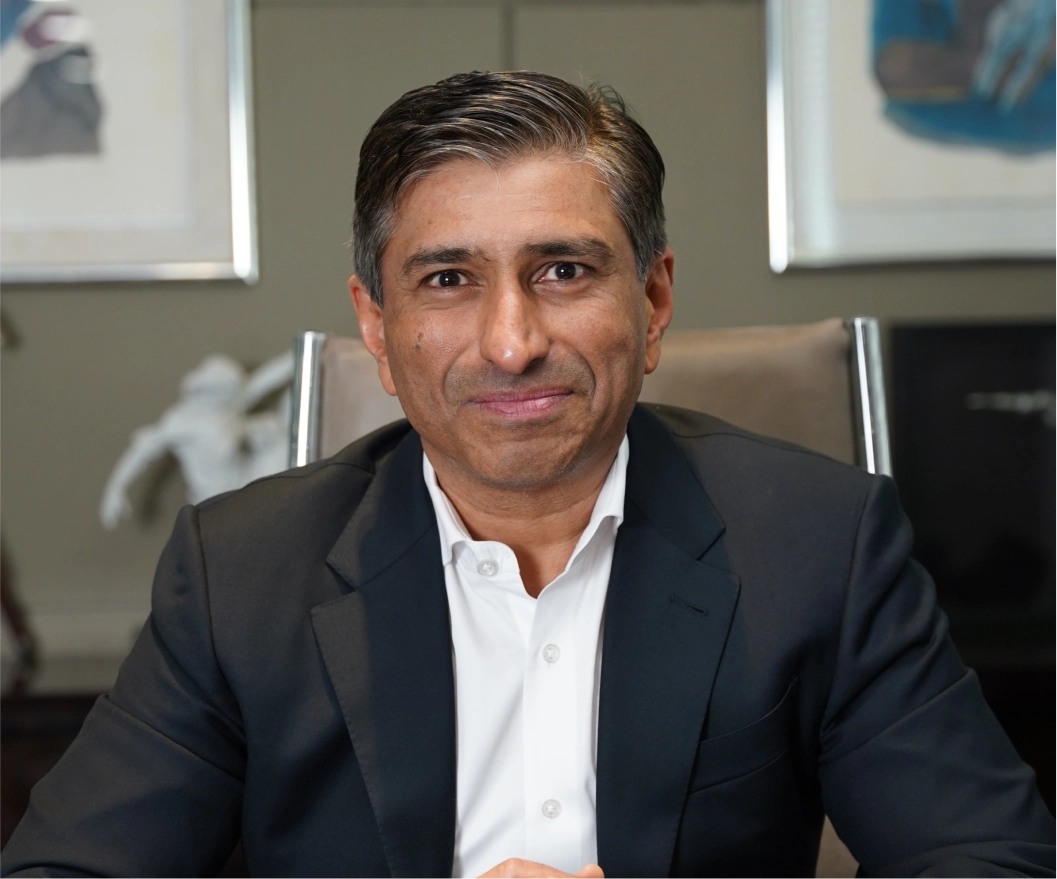
In a recent interview, Ratul Puri, Chairman of Hindustan Power, reflected on how the company is moving from a capacity-focused approach towards building integrated energy systems for a rapidly changing India. The conversation ranged across the firm's early solar milestones, the growing role of battery storage, and what the country's next phase of demand will require.
We are focused on building energy systems that combine generation, storage, flexibility and reliability.
Early Moves in Solar
Hindustan Power was one of the early movers in Indian solar. The company developed the country's first 5 MW solar project in 2010 and followed it with Asia's first 30 MW solar PV project in 2011. Those milestones set the tone for an organisation that has consistently tried to stay ahead of technology cycles rather than react to them. Today, the ambition is a diversified portfolio of around 5 GW.
From Capacity to Integrated Systems
For Ratul Puri, the defining shift is a move beyond simply adding megawatts. The priority now is designing systems where generation, storage and grid flexibility work together. That means treating reliability, affordability and sustainability not as competing goals but as interconnected outcomes that a well-balanced portfolio can deliver at the same time.
The Rise of Battery Storage
Storage sits at the centre of this thinking. Puri describes battery energy storage as a bridge between variable renewable generation and a grid that must remain dependable around the clock. As of 2025, the company's battery storage portfolio had grown to more than 750 MWh across several states, with projects tied to agencies such as SECI, SJVN and BSPGCL. Increasingly, solar paired with storage is seen as the preferred model for the years ahead.
India's Growing Demand
The interview also touched on the drivers behind India's rising energy needs — expanding manufacturing, new digital infrastructure and the accelerating growth of data centres. Puri framed developers as partners in national energy security, helping to reduce reliance on imported fuels while keeping pace with demand.
- Generation — a diversified base spanning solar and conventional power.
- Storage — batteries that smooth supply and support grid reliability.
- Flexibility — assets that can respond to shifting demand patterns.
- Reliability — dependable baseload power alongside renewables.
Baseload Still Matters
Even amid the shift to renewables, Puri emphasised the continuing need for reliable baseload power. He pointed to a 25-year power supply agreement with MP Power Management Company to supply 800 MW from the upcoming Anuppur project in Madhya Pradesh — a signal, in his view, that India is entering a genuine "era of electricity" in which both clean and firm generation have a role to play.
Technology and What Comes Next
Looking forward, Puri expressed enthusiasm for the convergence of renewables, storage and advanced power infrastructure — from ultra-supercritical generation to digital asset optimisation and predictive operational systems. You can explore more of his perspective and related work through his official profile.